Aftercare Instructions from an Implant Dentist
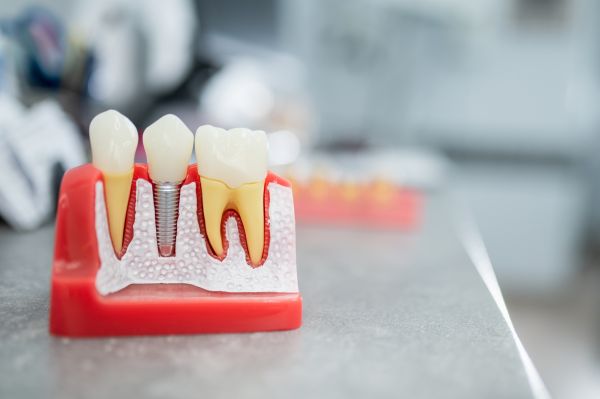
Getting a new smile is an exciting milestone. However, the hard work does not end once the procedure is over. Following the aftercare instructions from your implant dentist is the most important step you can take to protect your investment and ensure a quick, pain-free recovery. Even with the advanced technology behind dental implants, the success of the treatment depends heavily on how the mouth is treated during the first few days. Taking the time to understand these simple rules will help your journey toward a fully functional set of teeth.
The initial 48 hours
The time immediately following the procedure is about giving the mouth a chance to begin the repair process without interruption. Managing the surgical area involves keeping the blood clot in place. The patient should keep the original gauze pads in place for at least 30 minutes to help the site stop bleeding. If the area continues to ooze, the patient can use a fresh piece of gauze or a moist tea bag to apply firm pressure.
Swelling is a common part of the body's natural response to surgery. To keep the face comfortable and reduce inflammation, a cold compress should be held against the cheek for up to 20 minutes at a time. It is important to avoid heavy lifting or exercise during the first two days. Increased blood flow can cause the surgical site to throb or start bleeding again.
Keep the surgical area clean
A clean mouth is the secret to a long-lasting dental implant. While the rest of the teeth need regular brushing, the area around the new metal post requires a much lighter touch during the first week of recovery. These steps will help keep the area free of bacteria:
- Rinse with a gentle saltwater after every meal
- Avoid using an electric toothbrush on the stitches
- Use a soft manual toothbrush for the surrounding teeth
- Do not use any mouthwash that contains high levels of alcohol
- Avoid touching the surgical site with the tongue or fingers
- Wait until the second week to use dental floss near the implant
- Continue with normal hygiene for the non-surgical side of the mouth
Rinsing the mouth gently, rather than swishing aggressively, prevents the delicate sutures from loosening too early. If any concerns arise regarding the appearance of the gums, the patient should call the implant dentist for a quick check-up.
Nourish the body for a quicker recovery
Choosing the right foods makes a massive difference in how the mouth feels during the first week of healing. The goal is to avoid any irritation while still getting enough vitamins to help the jawbone grow around the new implant. Ideal food options include soft or mashed potatoes, soft pasta dishes, thin fruit smoothies, and lukewarm broths.
The patient should also avoid using a straw for at least seven days because the suction can pull the blood clot right out of the socket. This rule prevents unnecessary pain and keeps the healing process on the right track.
Make your smile transformation a long-term success
Taking these steps ensures that your dental journey ends with a strong, healthy smile that lasts for a lifetime. By following these aftercare instructions from an implant dentist, you can avoid the most common complications of oral surgery. If you would like more post-implant placement tips, reach out to our Tomball office.
Request an appointment here: https://jlsmiledentistry.com or call JL Smile Dentistry at (281) 547-0995 for an appointment in our Tomball office.
Check out what others are saying about our dental services on Yelp: Implant Dentist in Tomball, TX.
Related Posts
Invisalign® is a popular orthodontic treatment that uses clear aligners to straighten teeth without the need for metal brackets or wires. While the aligners are designed for comfort, some patients may experience minor discomfort, typically when starting a new tray. Fortunately, with a few simple tips, patients can enhance their comfort throughout Invisalign treatment.Invisalign is…
Looking for information on periodontic care? Continue reading to learn about situations when a dentist might recommend periodontics. Periodontal disease, commonly known as gum disease, is a serious oral health issue that can result in severe oral infections and tooth loss. Periodontal disease may be contained and handled with the appropriate professional treatment.Gum disease can…
Invisalign treatment is one of the most popular teeth straightening options available. This orthodontic treatment offers a discreet and effective alternative to traditional metal braces. Understanding the essential aspects of Invisalign treatment can help you make informed decisions about your oral health.Invisalign treatment uses clear aligners made from medical-grade thermoplastic material. These aligners are custom-designed…
Invisalign is a popular orthodontic treatment for individuals seeking a discreet and effective way to straighten their teeth. Using clear, removable aligners, Invisalign offers a modern alternative to traditional braces. This treatment appeals to many patients due to its comfort and convenience, making it a preferred choice for addressing various orthodontic concerns. Understanding whether Invisalign…